Costumes at the 2026 Winter Olympics
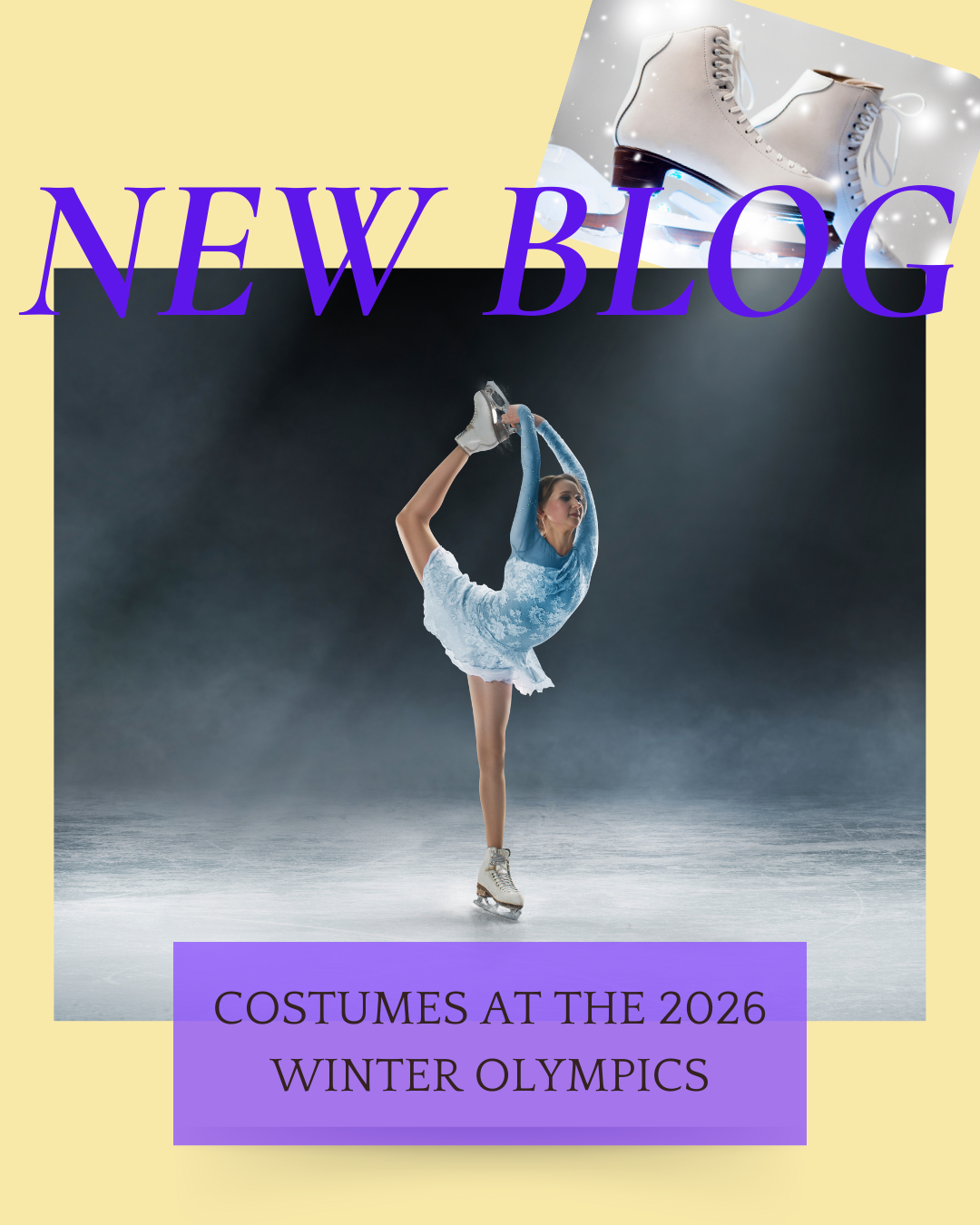
Winter Olympics 2026
Figure skating has always been one of the most visually stunning events at the Olympics, not just for the athletic feats performed, but for the rich artistic world that skaters create on the ice. For the 2026 Milano-Cortina Winter Games, costumes are once again a subtle yet powerful part of the performance — telling stories through fabric, color, and movement.
🎭 From Music to Material: Costumes That Complement Performance
Unlike many sports where uniforms are standardized, figure skating costumes are deeply personal. Skaters often choose outfits that reflect the mood, narrative, and emotional tone of their programs — whether that’s dramatic and elegant, whimsical and playful, or bold and expressive. Costumes aren’t just decoration; they’re an extension of the choreography itself.
For example:
Ice dancers Fear & Gibson wore sparkling costumes inspired by British pop icons like the Spice Girls, embracing music and costume as a complementary pair — and scoring big on crowd appeal.
Madison Chock & Evan Bates pushed creative boundaries with thematic outfits — like a matador-inspired design — tying costume artistry directly to the story on ice.
🧵 The Rules That Shape the Looks
While artistic freedom matters, costumes must follow specific International Skating Union (ISU) regulations to ensure they suit the sport’s competitive nature:
Outfits must be modest and dignified, not overly nude or distracting.
Anything that detaches during a performance (like loose beads or props) can lead to deductions.
Costumes can reflect character and theme, but “garish or theatrical” designs that overpower the athletic performance are discouraged.
🧊 A Reflection of Culture and Innovation
The 2026 Olympics have seen a fascinating blend of tradition and contemporary influence:
Some ice dance routines embrace queer culture and voguing, bringing fresh energy and expressive potential into costume choices.
Embracing nostalgia, certain teams have leaned into themes like the ’90s pop era, influencing costume color, silhouette, and sparkle.
These trends show how figure skating costumes are more than just fabric — they’re cultural statements that enrich storytelling on ice.
🪩 Final Thoughts
Figure skating costumes at the 2026 Winter Olympics are a celebration of craft, creativity, and connection between athlete and audience. They respect the sport’s tradition of grace and athleticism, while pushing the boundaries of artistic expression. Whether through dramatic lines, thematic hues, or thoughtful embellishment, these outfits play a starring role in the Olympic narrative — proving that in figure skating, what you wear matters just as much as how you skate.